
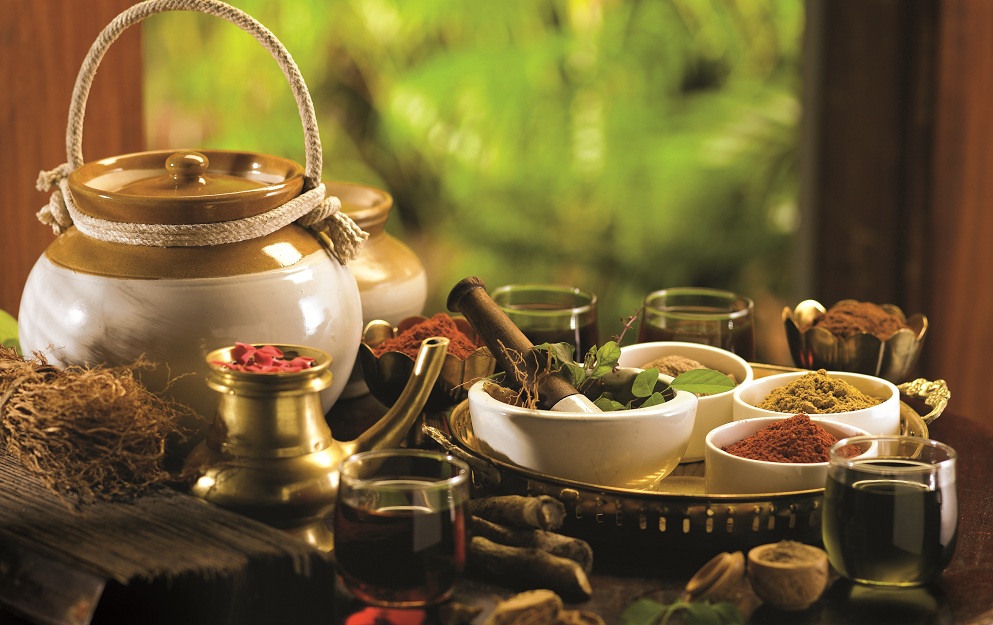
For generations, Kerala has preserved a rich tradition of healing through medicinal plants, therapeutic oils, food, massage and seasonal practices. This knowledge travelled not only through classical texts, but also through families, teachers and communities, becoming part of everyday life.
An elderly woman might recognise the properties of a particular medicinal leaf; a vaidyan would inherit methods of treatment and knowledge of formulations from earlier generations. Therapeutic oils were carefully prepared, herbs gathered from the surrounding landscape, and the arrival of the monsoon traditionally marked a season associated with rejuvenation and restorative care.
Over time, Ayurveda became more than a system of medicine in Kerala. It developed into a living tradition, shaped by the region’s landscape and culture and sustained through generations of practice and knowledge.
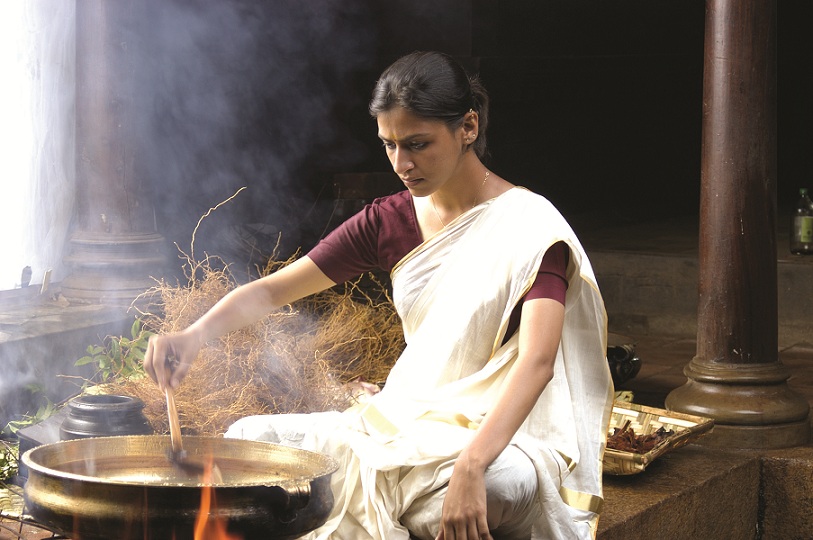
- Preparing Ayurvedic medicines using natural roots and leaves of Kerala(Image: Kerala Tourism)
Today, Kerala is internationally recognised for its Ayurvedic heritage and wellness traditions. Visitors arrive seeking traditional therapies, rejuvenation and a deeper experience of the region’s way of life. Yet behind its modern treatment centres and wellness resorts lies a much older story—a tradition of knowledge that has travelled across centuries, survived through texts and oral transmission, and found a distinctive place in the landscapes and communities of Kerala.
A tradition older than memory
Ayurveda, derived from Ayur (life) and Veda (knowledge), is traditionally understood as the “knowledge of life.” It is one of India's major traditional systems of medicine and has developed through centuries of observation, philosophical thought, medical practice and textual traditions.
Its origins are surrounded by both history and mythology.
According to Hindu tradition, the knowledge of Ayurveda originated with Brahma and passed through a chain of divine and human teachers before reaching sages who preserved and transmitted it for the benefit of humanity.
The story gradually moves from the realm of mythology into the world of written medical knowledge.
Ancient scholars compiled extensive bodies of knowledge concerning disease, diagnosis, treatment, surgery, diet, medicinal plants and the preservation of health. Among the most influential works are the Charaka Samhita, associated primarily with internal medicine; the Sushruta Samhita, renowned for its surgical traditions; and the Ashtanga Hridaya of Vagbhata, which presented Ayurvedic knowledge in a concise and accessible form.
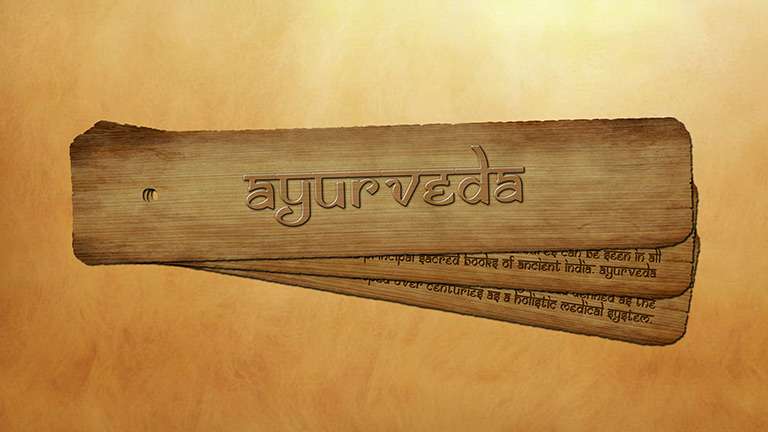
(Image: Kerala Tourism)
Together, these texts became among the great foundations of classical Ayurveda.
The Sushruta Samhita, for instance, contains detailed discussions of surgery and medical procedures, while the Charaka Samhita explores diagnosis, therapeutics, diet, lifestyle and the physician's approach to the patient. The Ashtanga Hridaya brought together the knowledge of earlier traditions into a systematic presentation.
For centuries, these works were copied, studied, taught and interpreted. Knowledge also travelled beyond the Indian subcontinent through translations and intellectual exchanges.
When the patient came before the disease
Rather than looking only at a disease, the Ayurvedic tradition considers the person—their habits, environment, food, age, season and overall state of wellbeing.
The body, mind and spirit are understood as interconnected.
Central to this worldview are the three doshas: Vata, Pitta and Kapha. In classical Ayurvedic thought, these represent functional principles associated with different combinations of the five elements—space, air, fire, water and earth.
Vata is associated with movement, Pitta with transformation and metabolism, and Kapha with structure and stability.
The objective, in the Ayurvedic framework, is not simply to fight illness after it appears, but to maintain balance and support wellbeing.
This philosophy also gave rise to a wide range of practices, from diet and daily routines to herbal preparations, massage and therapeutic procedures. Panchakarma, for example, developed as a group of therapeutic procedures intended for cleansing and rejuvenation within Ayurvedic practice.
Ayurveda also developed into eight major branches, traditionally known as Ashtanga Ayurveda, covering areas including internal medicine, surgery, paediatrics, toxicology, rejuvenation, reproductive health and treatments concerning the eye, ear, nose and throat.
It was a remarkably broad conception of healthcare. And over time, this ancient knowledge encountered the unique landscape of Kerala.
When Ayurveda found a home in Kerala
Kerala's relationship with Ayurveda cannot be separated from its geography.
The state receives abundant rainfall, possesses a warm and humid climate, and contains a remarkable variety of plant life. The Western Ghats, forests, wetlands and cultivated landscapes have long provided an abundance of medicinal plants and herbs.
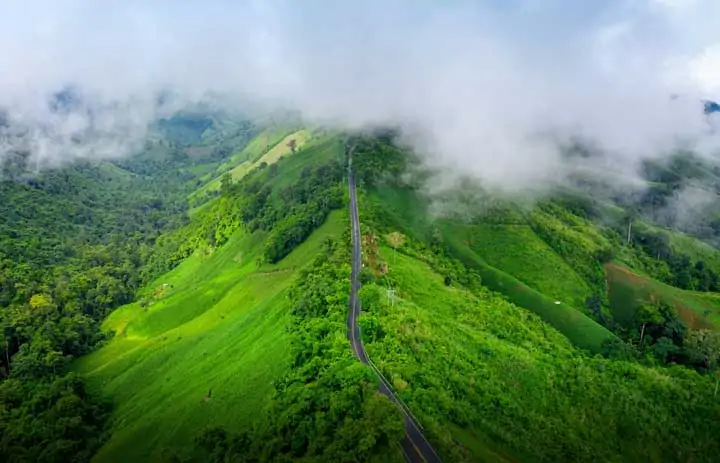
- A part of the Western Ghats of Kerala (Image: Keralatourpackages)
The land itself became part of the pharmacy.
But geography alone does not explain Kerala's Ayurvedic heritage. Knowledge had to be preserved, practised and passed from one generation to another.
For centuries, numerous families in Kerala became associated with particular branches of traditional healing. Some specialised in Uzhichil, the therapeutic oil massage tradition closely associated with Kerala; others developed expertise in Marmachikitsa, paediatric care, ophthalmology, toxicology, treatment of wounds and fractures, and other specialised practices.
The relationship between Ayurveda and Kerala's physical traditions was particularly significant.
Kalaripayattu, Kerala's martial tradition, generated a sophisticated understanding of the human body, injuries and physical recovery. Practices of massage and Marmachikitsa became closely connected with this knowledge. The physical culture of the region, therefore, created another space in which medical knowledge could evolve through practical experience.
Even outside the formal world of physicians, elements of traditional healthcare entered the household.
Kerala's older homes were familiar with medicinal leaves, oils, herbal preparations and dietary practices. Seasonal routines became part of family life. The oil bath, or abhyanga, was once a familiar practice in many Malayali households.
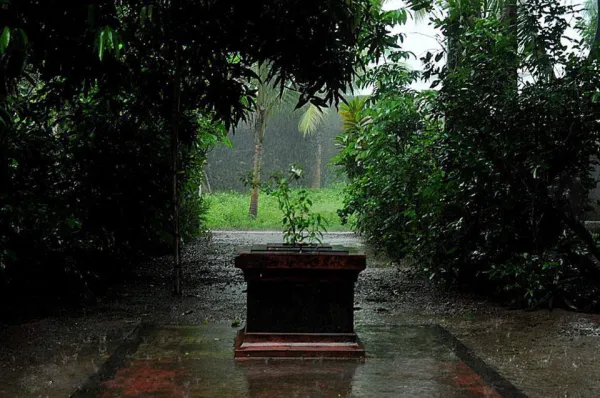
- A Tusli Thara in the courtyard of a Kerala home (Image: Organikos)
Some practices that may once have had practical health-related purposes gradually became intertwined with custom and ritual.
This is one of the fascinating features of Kerala's Ayurvedic heritage: medicine, food, landscape, household practice and culture were never completely separate.
The medicinal season
Then came the monsoon.
The rains transform Kerala. The landscape turns intensely green, rivers fill, and the forests come alive.
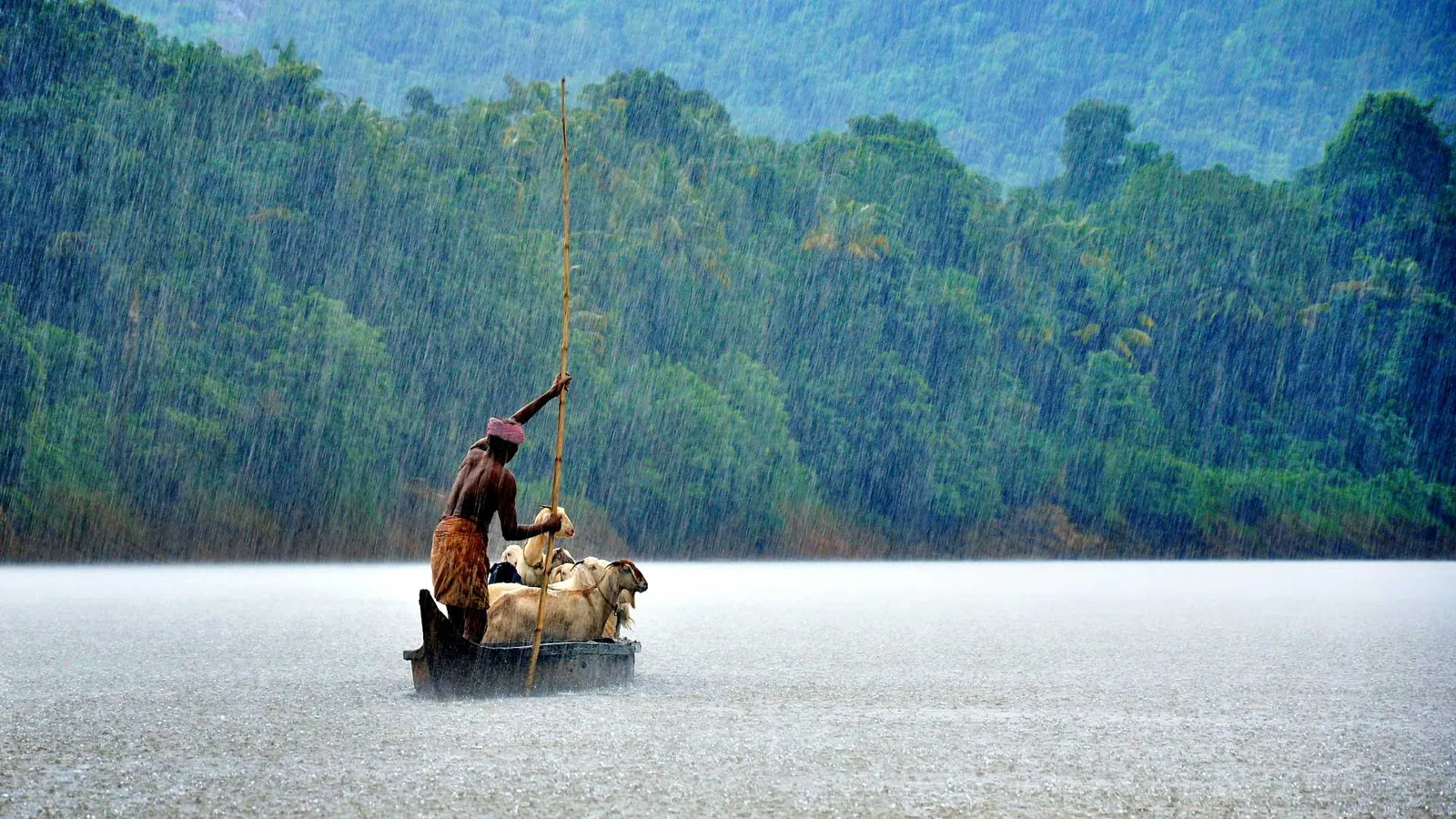
The Monsoon season in Kerala (Image: cntraveller)
Traditionally, the monsoon was also regarded as a special period for health and rejuvenation. In Kerala, the rainy season came to be associated with oushadha maasam—the medicinal season.
It was a time when people sought restorative treatments, nourishing food and traditional therapies.
The connection between the monsoon and Ayurveda also reflects Kerala's relationship with its natural environment. The same landscape that sustained agriculture and shaped cuisine also supplied many of the plants used in traditional medicine.
The monsoon, therefore, was not simply a season of rain. It became a season of renewal.
A forest becomes a book
One of the most remarkable chapters in Kerala's botanical history was written not in Malayalam or Sanskrit, but in Latin.
The Hortus Indicus Malabaricus, published in Amsterdam between 1678 and 1693, documented the plants of Malabar in twelve volumes, with hundreds of illustrations.
The work emerged from a collaboration involving European scholars and local knowledge holders. Its detailed documentation of the flora of Malabar introduced European audiences to an extraordinary botanical world and recorded plants with medicinal and other uses.
The significance of the work goes beyond its illustrations.
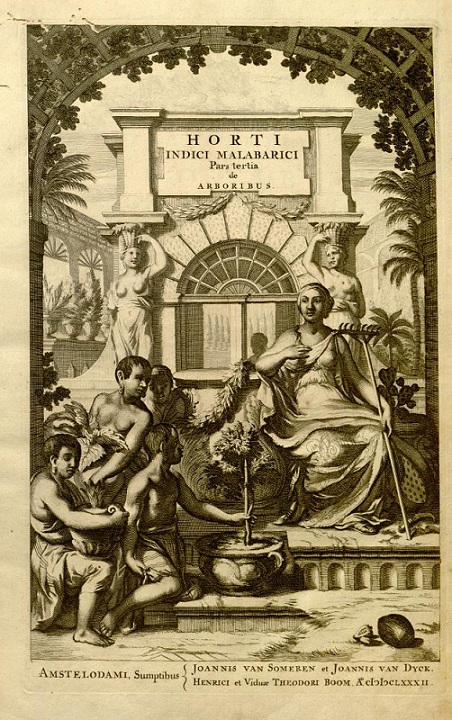
- The cover page of Hortus Indicus Malabaricus
It represents a moment when knowledge rooted in the landscapes and communities of Malabar entered a wider global intellectual network.
A plant known locally, a remedy preserved by communities, and a landscape understood through generations of experience could suddenly find itself recorded in a European scientific publication.
In that sense, Hortus Indicus Malabaricus is also part of the story of how Kerala's botanical and medicinal knowledge travelled across the world.
The vaidyan and the family tradition
Perhaps the most human part of Kerala's Ayurvedic story is found not in grand institutions, but in the families that preserved it.
For generations, Ayurvedic knowledge was often transmitted through close teacher–student relationships and hereditary traditions. A young learner did not simply read about medicine. They observed the preparation of medicines, learned to identify plants, studied the texts and gradually understood how knowledge was applied to individual patients.
The vaidyan was therefore more than a dispenser of medicine. He was often a scholar, observer, herbalist and custodian of inherited knowledge. Across Kerala, several traditional families became renowned for their expertise. Their houses became places where people arrived seeking treatment, advice and remedies.
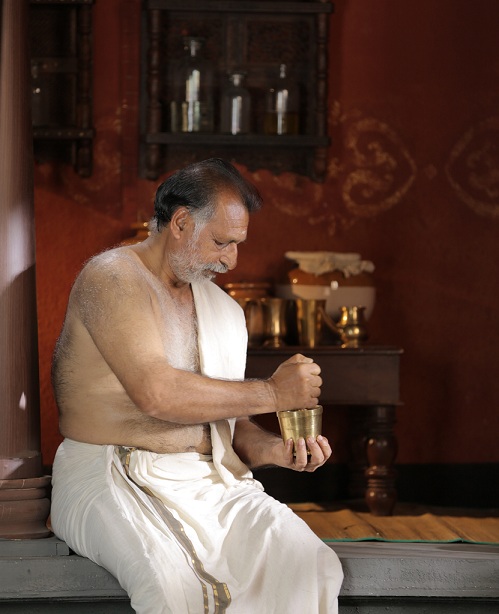
- A Vaidyan (Image: Kerala Tourism)
This helped create a distinctive medical culture in the state—one where classical textual knowledge and local experience continuously interacted. It also explains why Ayurveda survived as a living tradition rather than becoming merely a chapter in history.
From traditional households to a global wellness destination
The twentieth century brought enormous changes to healthcare. Modern hospitals, pharmaceuticals and biomedical institutions transformed medical practice.
Yet Ayurveda continued to occupy an important place in Kerala.
Institutions for Ayurvedic education and treatment expanded, while traditional practitioners continued their work. Kerala gradually began to recognise that its Ayurvedic heritage could also become an important part of its cultural and tourism identity.
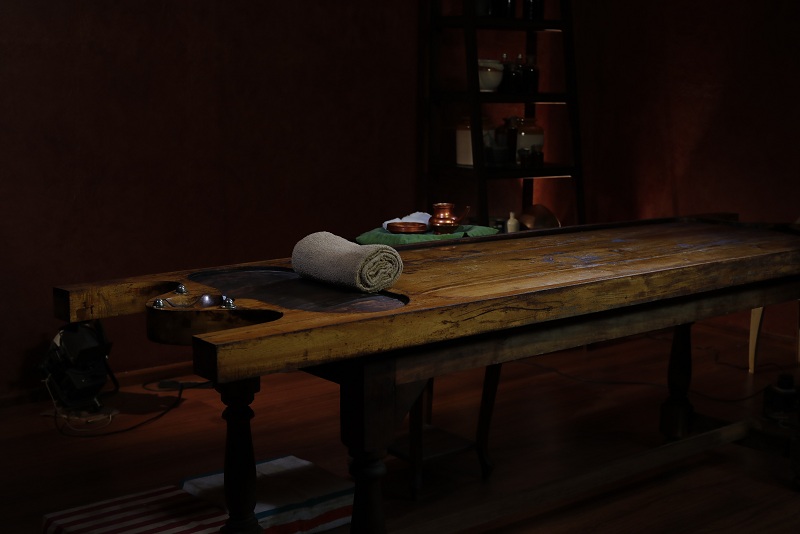
- Droni: A specially carved wooden treatment table (Image: Kerala Tourism)
By the 1990s, the state was actively positioning Ayurveda as part of its wellness tourism offering.
The result is visible today. Ayurvedic hospitals, colleges, pharmacies, research institutions, treatment centres and wellness resorts exist across Kerala. Traditional therapies such as Abhyanga, Shirodhara, Njavara Kizhi, Elakizhi and various forms of Vasti have become familiar to visitors from around the world.
What draws many visitors is not only the treatment itself. It is the setting.
A therapy may take place beside a backwater, within a traditional house, near a forest or in a quiet coastal landscape. A wellness programme may be combined with local food, spice gardens, heritage walks and cultural experiences.
In this way, Ayurveda has become connected to the larger Kerala experience.
The visitor who comes seeking healing may encounter the cuisine of Malabar, the fragrance of spices, the architecture of an old nalukettu, the knowledge of medicinal plants or the stories of a traditional family.
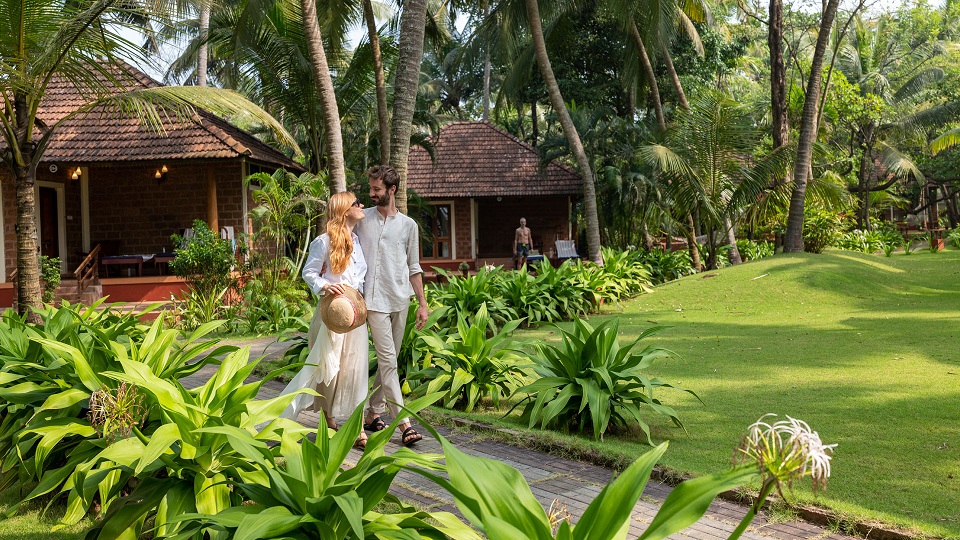
- A ayurvedic resort in Kerala (Image: thenattikabeach)
Medicine becomes a doorway into the culture.
The contemporary revival of Ayurveda is also creating new conversations. Researchers are studying Ayurvedic knowledge through modern scientific methods. Emerging fields such as ‘Ayurgenomics’ explore possible relationships between Ayurvedic concepts of individual variation and contemporary approaches to genetics and personalised medicine.
At the same time, Ayurveda is increasingly discussed in the context of preventive health, lifestyle, nutrition, stress management and wellbeing.
The knowledge of medicinal plants, traditional practitioners, classical texts, preparation methods, family histories and local healing traditions needs to be documented and preserved carefully. Traditional knowledge also needs to be approached with respect for evidence, safety and the distinction between historically important practices and treatments whose medical effectiveness requires contemporary scientific evaluation.
The future of Ayurveda, therefore, is not simply about looking backwards.
It is about understanding what has survived, documenting what remains, researching what can be studied, and ensuring that valuable knowledge is not lost.
The heritage that still lives
Walk through a Kerala village after the rain and the story becomes easier to understand.
The scent of wet earth rises from the ground. Plants grow beside houses and pathways. Somewhere, an old family may still remember the name of a medicinal herb. Somewhere else, a vaidyan may still practise knowledge received from an earlier generation. In a pharmacy, herbs are being measured and medicines prepared. In a wellness centre, a visitor from another part of the world is experiencing a treatment whose roots reach deep into India's medical history.
It survived not merely because it was written in ancient books, but because people continued to remember, practise, teach and adapt it. Sometimes, heritage is something that is still being practised.
From the forests of the Western Ghats to the homes of traditional families, from ancient Samhitas to contemporary wellness centres, Ayurveda has travelled an extraordinary journey.
References
Welcome to Kerala—where the ancient wisdom of Ayurveda lives.
Discover a heritage shaped by centuries of knowledge, healing traditions, food, and generations of practitioners.
Journey with City Heritage into the world of Kerala Ayurveda—meeting the people, exploring the traditions, and experiencing the living knowledge that continues to define Kerala’s unique culture of wellness.
Visit us and Contact:
Visit: www.cityheritage.in
Email: mail@cityheritage.in
Instagram: cityheritage.in
Phone: +91 7356569573, +91 8377024979




 (1).png)
© Copyright 2026 City Heritage. All rights reserved.
Website designed by TNM Online Solutions.
If you have any enquiry, feel free to ask, and we'll provide you with a prompt and concise response.