
Yasin Asharaf P | Published on 26/02/2026
Ramadan: A Kerala Story in a Global Tapestry
Ramadan is not merely a month on the calendar; it is a season of the soul. For Muslims across the world, it is the sacred month in which the Holy Qur’an was revealed — a time of fasting from dawn to dusk, of quiet reflection, of prayer, charity, and conscious living. From the golden domes of Istanbul to the lantern-lit alleys of Cairo, from the spice-scented squares of Marrakesh to the serene skyline of Abu Dhabi, Ramadan transforms cities into living sanctuaries of devotion and celebration.
Yet, along the Malabar Coast of Kerala, Ramadan carries a rhythm uniquely its own.
Ramadan Story from the Malabar Coast
Ramadan begins long before the sun touches the horizon. In the stillness of Suhoor, homes awaken quietly across towns and coastal villages. Lamps glow softly in kitchens as families gather for the pre-dawn meal, sharing plates, pouring water, and speaking in gentle tones. There is a calm urgency in those moments — a sense of purpose before the day’s fast begins. Soon, the call to prayer rises from the minarets, and believers dressed in white walk toward the mosques in the cool, fragrant air of early morning. Across Kerala, mosques are lovingly prepared weeks in advance — cleaned, painted, and adorned with lights. In towns like Kannur, Thalassery and Kuttichira, the mosque becomes more than a place of prayer; it becomes the living heart of the community. Five daily prayers shape the rhythm of the day, and long night prayers fill sacred spaces with the melodious recitation of the Qur’an.
As the day’s fast stretches toward evening, a different kind of anticipation begins to build. Along the shores of the Arabian Sea, especially near the iconic Kozhikode Beach, small circles form gently on the sand. Families arrive carrying dates, water bottles, homemade snacks, and fresh juices. The sea glows crimson as the sun sinks into the horizon, turning the sky into a canvas of deep orange and red — a masterpiece painted anew each evening.
Some walk toward nearby mosques offering free Iftar. Children wait patiently, elders glance at the time, and strangers exchange warm smiles. When the Azan finally rises through the breeze, hands reach instinctively for dates — the traditional first taste — and the fast is broken in quiet gratitude. In that sacred moment, there are no strangers. Travelers, laborers, and children sit side by side, and Ramadan dissolves all distance as hospitality becomes instinct.
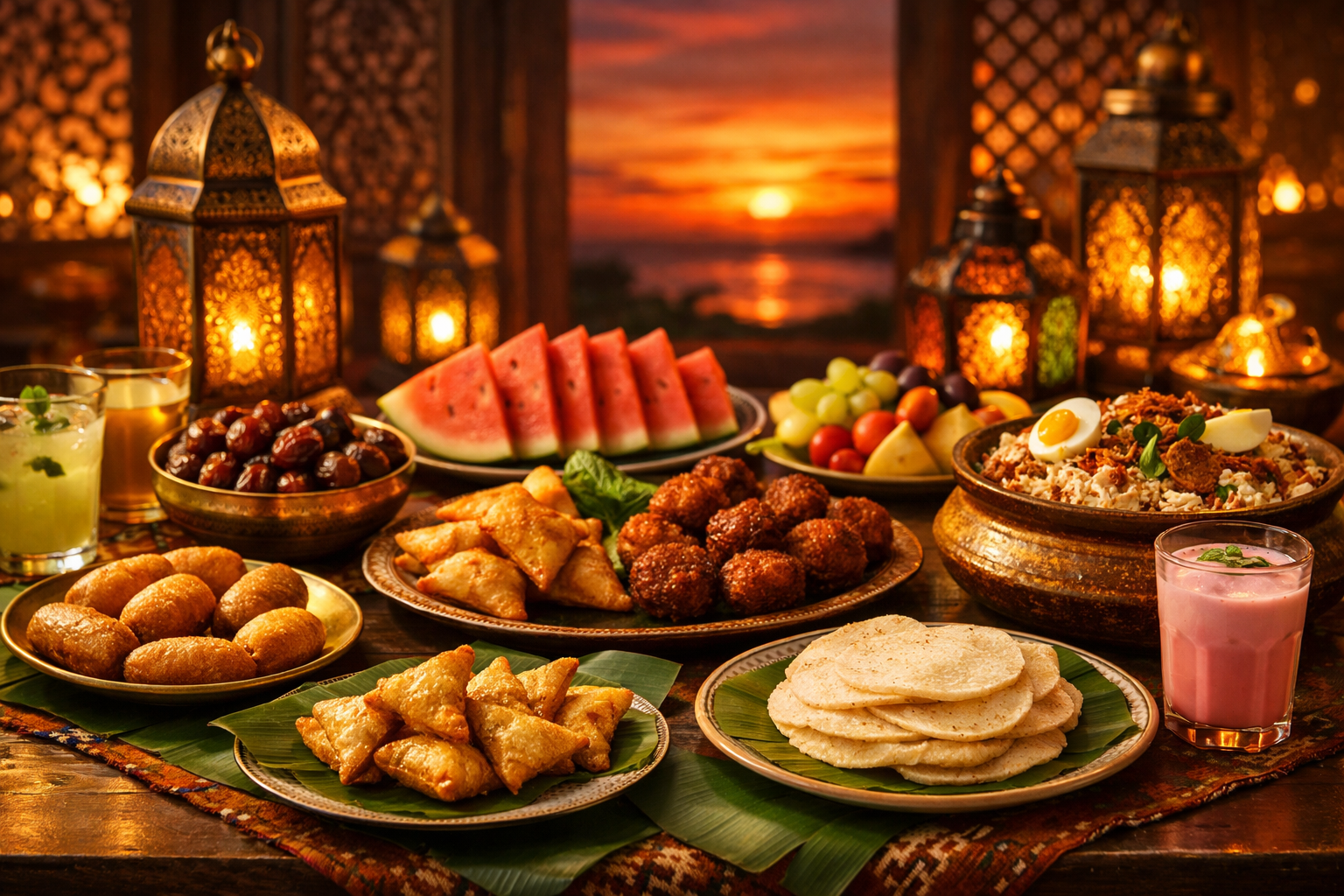
As night settles over Malabar, the streets awaken with warmth and flavor. If Istanbul is known for its grand Iftar gatherings and Cairo for its glowing Ramadan lanterns, Kerala is cherished for its intimate togetherness and irresistible tastes. In historic pockets like Kannur City, Ponnani, and Kuttichira, streets shimmer beneath festive lights. The aroma of dates and freshly sliced watermelon — a Ramadan favorite — mingles with the scent of sizzling snacks. Vendors prepare unnakkaya, soft pathiri, crisp cutlets, and other spiced delicacies unique to Malabar’s culinary heritage. The fragrance of oud and attar lingers in the air as worshippers make their way toward mosques for night prayers. In places like Valapattanam, centuries of Islamic scholarship and maritime history quietly frame the experience. Ramadan here is not spectacle; it is continuity — a living tradition carried forward from one generation to the next.
Across India, cities such as Hyderabad, Lucknow, Srinagar, Delhi, Mumbai, and Kolkata celebrate the month with their own culinary and cultural brilliance. Globally, cities like Kuala Lumpur, Bandung, Damascus, and Mecca glow in devotion during this sacred month. Yet Kerala’s Ramadan experience remains deeply intimate. It is less about grandeur and more about togetherness — about mosques that open their doors to all, about meals shared freely, and about prayers that continue long after the streets grow quiet.
Ramadan here becomes a journey — from the silent nourishment of Suhoor to the communal embrace of Iftar, from golden sunsets over the Arabian Sea to spiritually charged nights in illuminated mosques. It is a month where faith meets flavor, where history meets humanity, and where every street feels like a heritage walk of devotion. To experience Ramadan in Kerala is to witness not merely a religious observance, but a living cultural landscape — one that stands gracefully alongside the world’s great Ramadan destinations, yet remains rooted in the soft sands and soulful skies of Malabar.
Ramadan in Kannur City – A Night of Heritage and Light
When Ramadan arrives in Kannur, the city does not merely observe the holy month — it relives its centuries-old story of faith, generosity, and heritage. Kannur carries within it the proud legacy of the Arakkal Kingdom, the only Muslim royal kingdom in Kerala. The echoes of that era still linger in its coastal breeze, in its tiled ancestral homes, and most beautifully in the historic mosques built under royal patronage. Among them stand the graceful Ayikkara Muhiyudhin Mosque and the revered Kannur City Juma Masjid — not merely as places of worship, but as living monuments where history and devotion continue to meet every single day.
Before sunrise, when the city rests in silence, Ramadan gently awakens its people. In the soft glow of kitchen lights and mosque courtyards, families prepare for Suhoor, the pre-dawn meal that strengthens both body and spirit. At Kannur City Juma Masjid, a remarkable tradition continues through the generations — the “Athazha Committee,” a voluntary initiative that has long arranged free Suhoor for worshippers, travelers, and the needy. There is something deeply moving about these early hours: plates served without expectation, water poured with care, and strangers sharing the same quiet table before the call to Fajr prayer rises into the dawn sky.
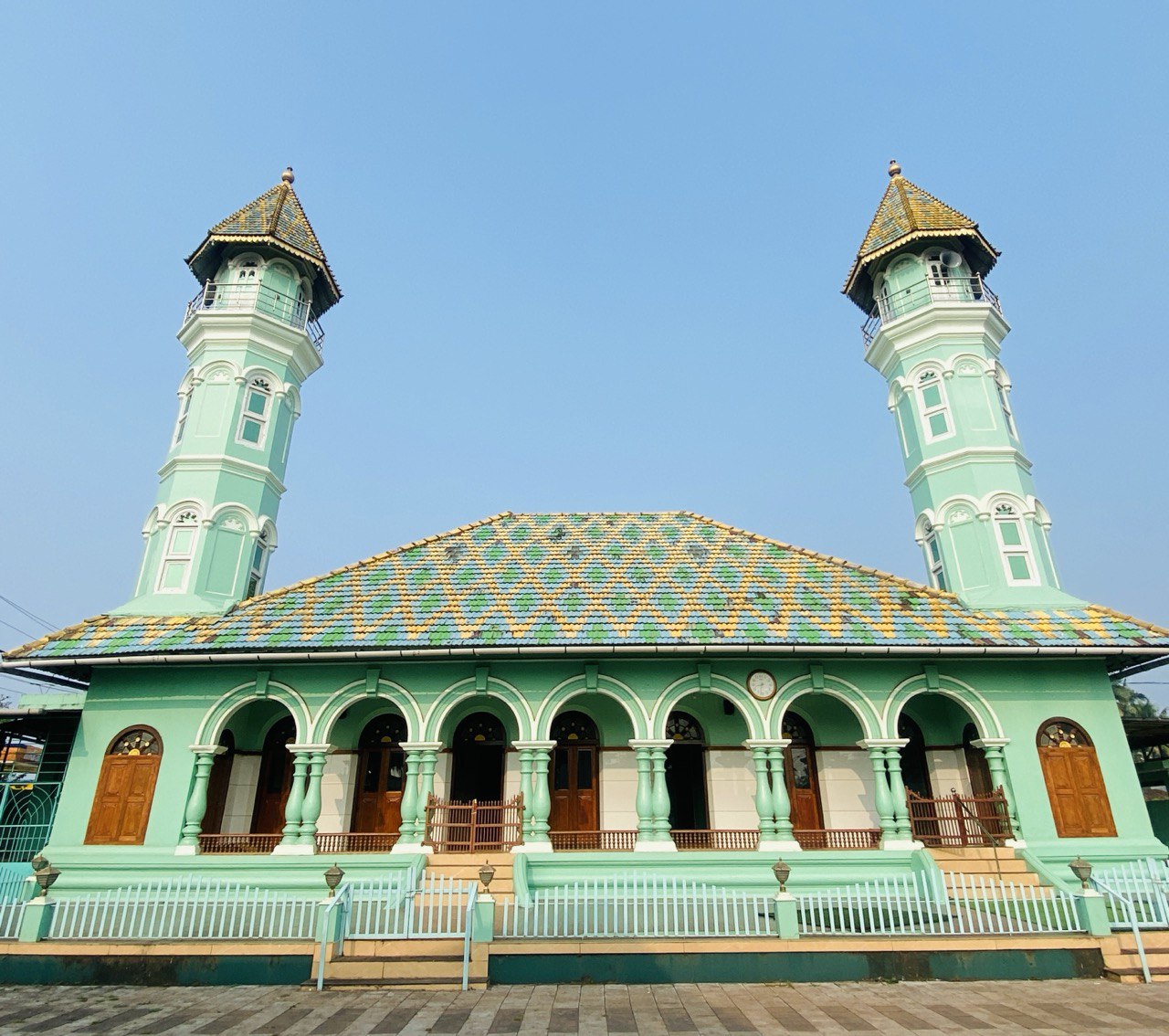
- Ayikkara Muhiyudheen Masjid in Kannur
As the day unfolds in fasting and prayer, the city moves with patience and purpose. Then, as the sun begins to descend toward the Arabian Sea, anticipation slowly fills the air. Shops ease into stillness, conversations soften, and eyes occasionally turn toward the horizon. Inside the mosques, long rows are formed, dates are neatly arranged, and steel tumblers of water catch the fading light. The Iftar at Kannur City Juma Masjid is open to all — rich or poor, local or traveler. When the Azan echoes through the minarets, hands reach first for dates, following a tradition that stretches back centuries. The fast is broken in gratitude, and the simple meal shared becomes a powerful reminder that community is the true feast of Ramadan.
And then the night transforms the city. After prayers, the streets surrounding the mosques come alive with warmth and vibrancy. Lamps glow above bustling stalls offering authentic Kannur snacks — soft muttappam, crisp cutlets, sweet unnakkaya, spicy samosas, and refreshing juices that glisten under the lights. The aroma of freshly prepared food blends with the fragrance of oud and attar worn by worshippers heading toward night prayers. Families stroll together, children weave through the lively lanes, and elders sit recalling Ramadan's of decades past — when lamps lit the streets and the royal presence of the Arakkal era still shaped the town’s identity.
In these nights, Kannur becomes more than a city; it becomes a living heritage experience. Its Ramadan is not defined by spectacle, but by sincerity. It is carried in disciplined footsteps walking toward prayer, in the generosity of those who serve free meals without hesitation, and in the simple, beautiful act of sharing food with someone you may have never met before. Under the same crescent moon that once shone over the Arakkal rulers, the people of Kannur continue their tradition — turning every Ramadan night into a story of faith, history, and togetherness that still glows brightly in the heart of Malabar.
Kuttichira – The Togetherness Still Alive
At the southern edge of Kozhikode beach, where the sea breeze carries the scent of salt and spice, lies Kuttichira — a place where history does not sleep. Here, faith, food, and harmony have lived together for centuries, woven into stories that still echo in its narrow streets.
At the heart of this story stands the majestic Mishkal Mosque. Built in the 14th century by the Arab merchant Nakhuda Mishkal, the mosque is more than timber and tiles — it is a symbol of Malabar’s age-old maritime friendships. When Portuguese forces attacked and burned parts of the structure, it seemed like a chapter had ended. But history in Kozhikode rarely ends in silence. With the support of the Zamorin of Calicut, the mosque was rebuilt — not merely as an architectural act, but as a gesture of solidarity between communities.
That spirit of togetherness still lives on. Every Ramadan, members of the Mishkal Masjid Committee continue the remarkable tradition of visiting the Zamorin’s family, offering gifts and renewing bonds that date back centuries. It is not just a courtesy call; it is a living memory of shared history — of Arab traders, Malabar rulers, and a coastline that welcomed the world.
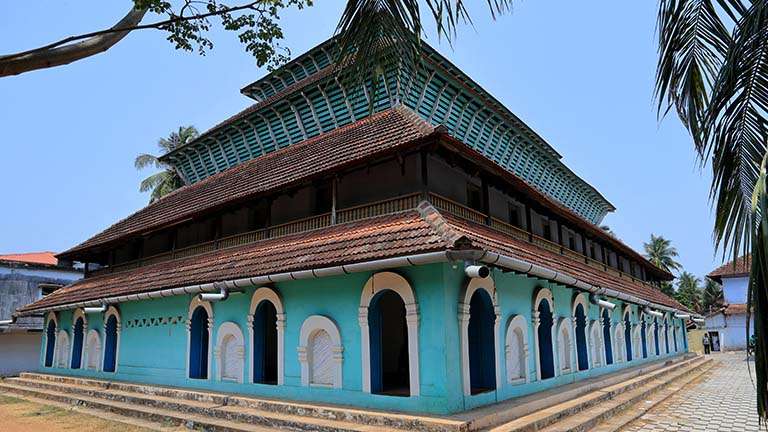
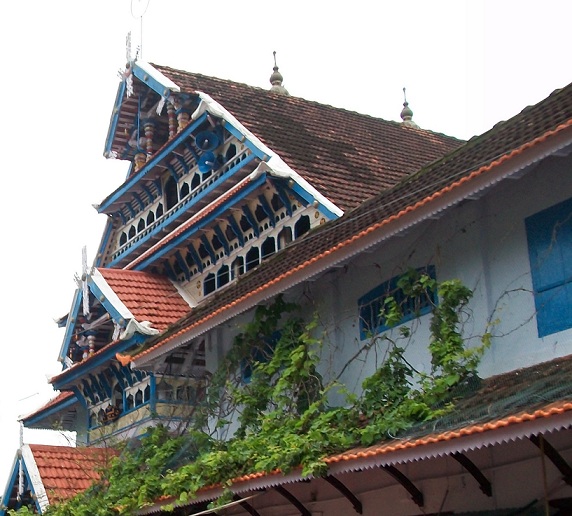
- Mishkal Mosque in Kuttichira
As the sun begins its descent, painting the sky in shades of red and orange, the shores of Kozhikode transform. Families gather on the beach in circles, spreading sheets over the sand. From tiny toddlers to grandparents in their eighties, generations sit side by side, waiting for the call to prayer. Some carry snacks and cut fruits prepared at home; others bring neatly packed iftar boxes now popular along the beach. Water bottles, juices, dates, and traditional Malabar delicacies are arranged carefully at the center — a circle of food, a circle of faith, a circle of family.
When the call echoes across the sea, the fast is broken — not just with food, but with smiles, shared plates, and quiet gratitude.
After iftar, the nights of Kuttichira awaken.
The streets near Mukhadar and around Kannamparambu Masjid glow under warm lights. Homes transform into small food stalls. Families set up tables in front of their ancestral houses, selling homemade delicacies — crispy snacks, fragrant meat dishes of chicken, beef, and quail, and the beloved varieties of brined fruits and vegetables that define Malabar taste. The aroma of fried pathiri, cutlets, and spiced meats drifts through the air, inviting visitors to taste something that feels both festive and deeply personal.
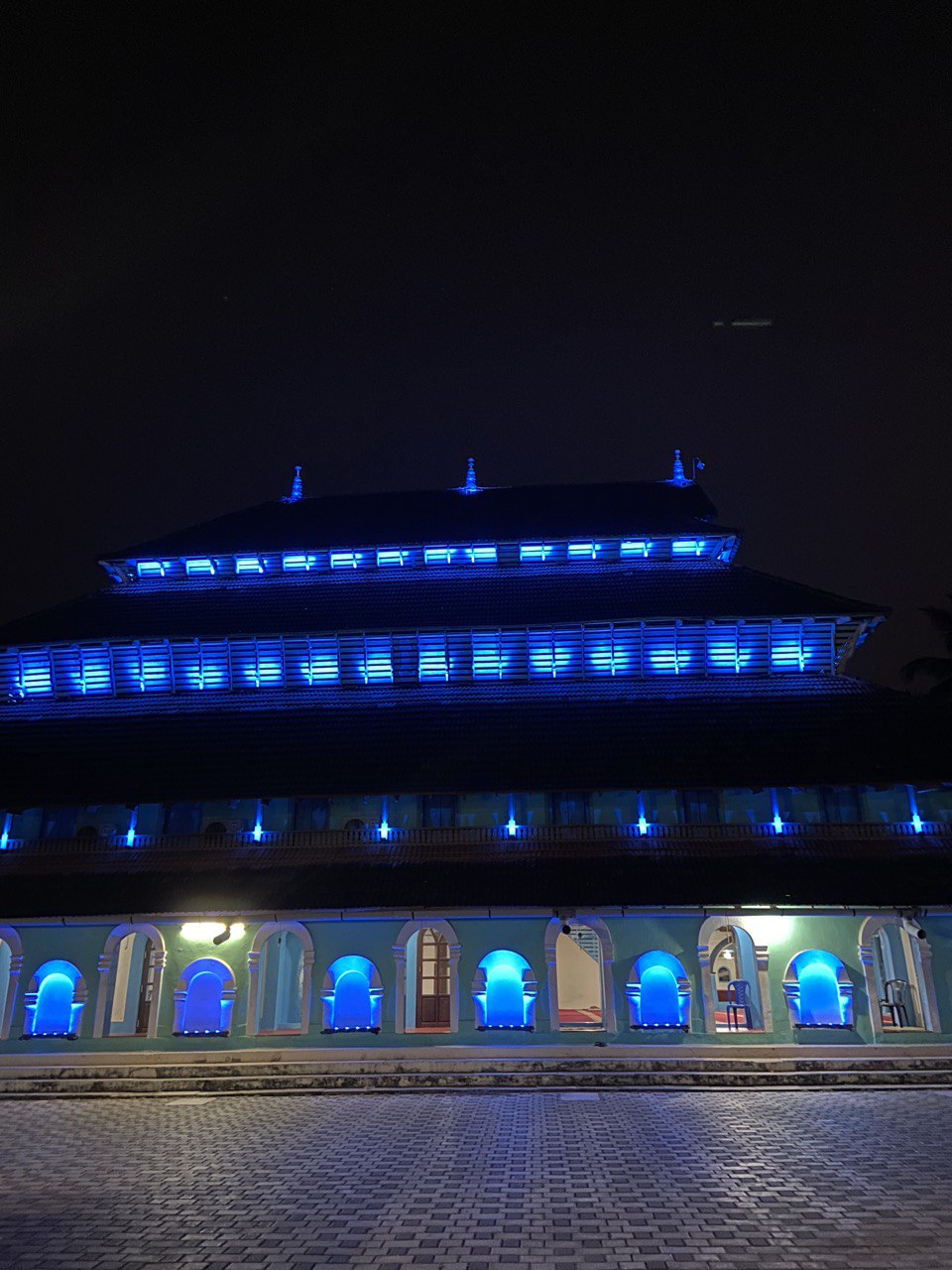
- Night view of Mishkal Mosque in Kuttichira
Kuttichira’s old tharavads (ancestral homes) whisper another tradition — the famed “40-day treat” prepared for a groom after marriage. Even today, stories of elaborate meals and hospitality reflect the cultural richness of this neighborhood, where food is never just sustenance, but celebration.
Ramadan nights here are not confined to mosques alone. They flow into courtyards, beaches, markets, and memories. They speak of Arab traders who crossed oceans, of a Hindu ruler who stood by a mosque, of Portuguese invasions that failed to erase harmony, and of families who still gather in circles on the sand.
In Kuttichira, Ramadan is not merely observed — it is experienced. It is togetherness that survived centuries. It is history that still breathes.
Ponnani – The Meeting Point of Islamic Scholars
On the serene banks where the Bharathapuzha meets the Arabian Sea lies Ponnani — often called the Little Mecca of Malabar. But Ponnani is not just a town; it is a living classroom of centuries-old wisdom, where faith, scholarship, and devotion flow together like its waters.
The story of Ponnani is inseparable from the legacy of great scholars like Sheikh Zainudheen Makhdoom and Veliyamkode Umar Qazi. Through their writings, teachings, and reformist spirit, Ponnani became a luminous centre of Islamic learning in South India. Their words travelled across oceans, but their roots remained firmly planted in this small coastal town. Even today, their intellectual inheritance continues through the traditional Dars system — circles of learning where students sit shoulder to shoulder, listening, questioning, and carrying forward a chain of knowledge that has never been broken.
- Valiya Juma Masjid, Ponnani
Walk through the narrow lanes of Ponnani, and you will hear echoes of that scholarly past. The old mosques stand not merely as places of worship but as institutions of learning — walls that have witnessed debates, discussions, and the quiet dedication of seekers of knowledge. Generations have grown here under the guidance of teachers whose lineage of learning traces back centuries.
And then comes Ramadan.
In Ramadan, Ponnani transforms into a glowing tapestry of devotion. The call to prayer rises softer yet deeper. The mosques fill earlier, the Qur’an recitations linger longer, and the air carries a rhythm of reflection. After sunset, the town gathers in shared meals and shared prayers — but also in shared memory. It feels as though the spirits of the scholars who once walked these streets still bless the nights of learning and worship.
Here, Ramadan is not just observed — it is experienced as a continuation of a centuries-old tradition of scholarship and spirituality. It is a season where history lights up brighter, where heritage breathes through devotion, and where the meeting point of scholars becomes the meeting point of hearts.
In Ponnani, Ramadan is not only a month in the calendar — it is a living story.
Visit us and Contact:
Experience the Nights of Ramadan in the Malabar Coast with City Heritage: Kannur City, Thalassery, Ponnani, Kuttichira and Valapattanam
Get in Touch:
Visit: www.cityheritage.in
Email: mail@cityheritage.in
Instagram: cityheritage.in
Phone: +91 7356569573, +91 8377024979





 (1).png)